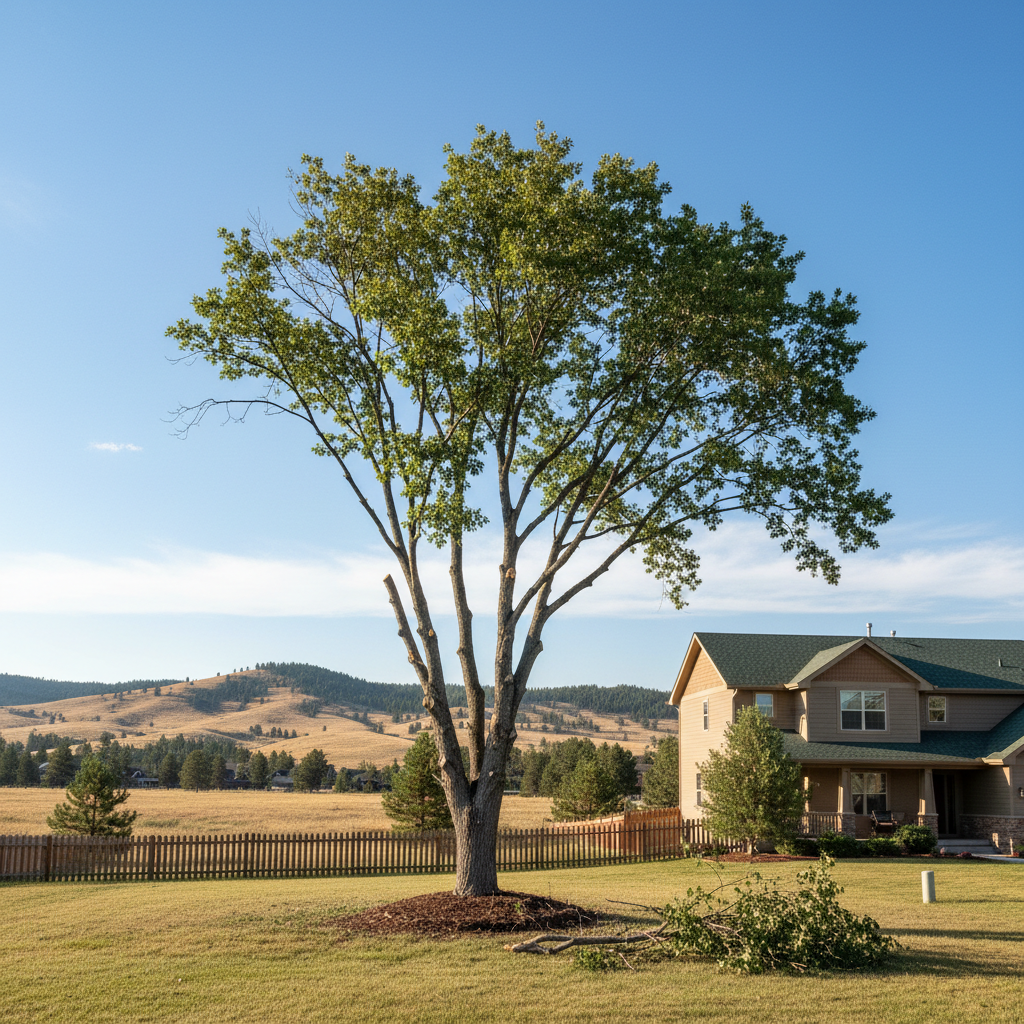
You've had your trees pruned, maybe even by my crew at Billings Stump Removal & Tree Service. That's a great start, but pruning isn't a one-and-done deal, especially here in Billings, Montana, where our weather can be pretty wild. You want those trees to stay healthy and look good for years, right? So let's talk about what comes next.
Making Your Pruning Last Longer
The best way to make a good pruning job last is to keep an eye on your trees and understand what they need. Think of it like getting your truck serviced; you don't just drive it until it breaks down, do you? After a professional pruning, the tree gets a fresh start. We've removed dead, diseased, or crossing branches, which opens up the canopy for better air circulation and light. To keep that going, you need to prevent new problems from popping up.
A big part of this means knowing your tree species. A fast-growing cottonwood, common along the Yellowstone River, will need attention more often than a slower-growing spruce. Proper watering, especially during our dry summers and even into the fall before the ground freezes, helps the tree recover from pruning stress and grow strong. Just don't over-fertilize; that can push weak growth that's more likely to break.
What Regular Maintenance Looks Like
Regular maintenance for a pruned tree usually isn't about another big cut right away. It's more about watching things and making small adjustments. I tell folks to walk around their yard once a month, just taking a good look at their trees. What should you be looking for?
- New suckers or water sprouts: These are those fast-growing, often vertical shoots that pop up from the base or along branches. They're usually weak and can quickly mess up the tree's structure. When they're small, you can often just snap them off by hand.
- Small dead twigs: Our harsh winters, with their freeze-thaw cycles, can kill off small branches. If you see a twig that's clearly dead (no leaves, brittle, snaps easily), it's usually fine to snip it off with hand pruners.
- Rubbing branches: As branches grow, they can start rubbing against each other. This creates wounds that let in disease and pests. If you catch this early, you can often remove the smaller or weaker of the two rubbing branches.
- Checking for disease or pests: Look for discolored leaves, strange growths, or insect activity. Catching these early is key.
These are things you can often handle yourself with basic tools, but if you're unsure, it's always better to leave it alone or call a pro.
Warning Signs of Tree Problems
Sometimes, despite your best efforts, trees run into trouble. Knowing these warning signs can save your tree or prevent a bigger, more expensive problem later:
- Sudden leaf discoloration or wilting: If leaves are turning yellow or brown out of season, or if they're wilting even when the soil seems moist, something's wrong.
- Excessive deadwood: A few dead twigs are normal, but if you're seeing large branches dying back, or a lot of deadwood throughout the canopy, that's a red flag.
- Cankers or fungal growths: These are often sunken or discolored areas on the bark, or mushrooms growing out of the trunk or branches. These indicate disease.
- Cracks or splits in the trunk or major limbs: Especially after a heavy snow or windstorm, check for these. They can compromise the tree's structural integrity.
- Pest infestations: Look for sawdust-like frass, holes in the bark, or unusual insect activity.
- Poor growth or sparse canopy: If your tree isn't putting out new growth like it used to, or the canopy is looking thin, it might be stressed or sick.
Our clay soils here in Billings can sometimes cause root issues if drainage isn't good, so keep an eye out for signs of stress that might point to root problems too.
When to Call a Professional
Look, I'm all for homeowners doing what they can, but there's a point where you need to bring in the experts. You should absolutely call a professional arborist or tree service like mine when:
- You need to remove large branches: Anything that requires a ladder, a chainsaw, or is close to power lines is a job for trained professionals. It's dangerous work.
- You suspect a serious disease or pest infestation: We can diagnose the problem and recommend the best course of action, whether it's treatment or removal.
- The tree's structure seems compromised: If you see major cracks, splits, or a tree leaning significantly, don't wait. This could be a hazard.
- You want to maintain the tree's overall health and shape: Regular, professional pruning every few years (depending on the tree) helps maintain its health, structure, and aesthetic appeal, preventing future problems.
- You're unsure: If you're looking at a branch and thinking, "Can I handle this?" — it's probably time to call us.